
Ensuring your attic is sealed properly is more crucial than simply adding insulation. In certain scenarios, augmenting insulation in an attic without addressing air leaks can result in unforeseen and expensive issues. When warm, moist air escapes from the interior into the attic, it encounters cooler surfaces like structural components and insulation. Consequently, the moisture in the air condenses on these surfaces. Introducing additional insulation can worsen this situation by further entrapping moisture, compounding the problem rather than resolving it. Without addressing the underlying issue of air leakage, adding more insulation might inadvertently intensify moisture-related complications within the attic space.
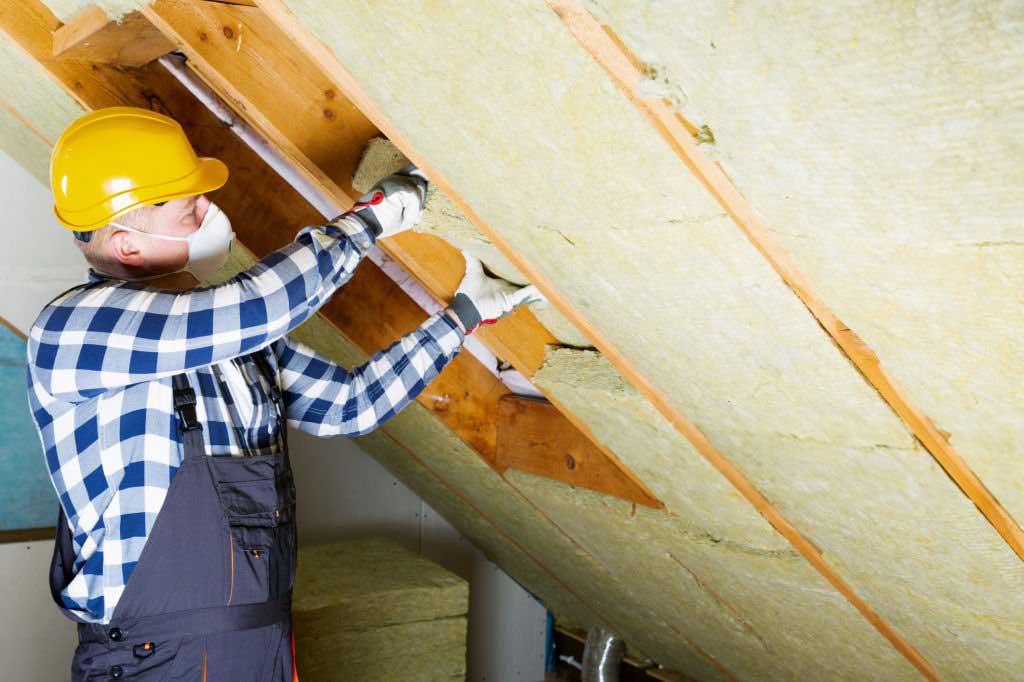
In addition to above mentioned risk, improperly insulating an attic can lead to several other risks:
- Pest Infestations: Where is a better place than a cozy place above an air leaking area in the attic for rodents to nest, where the pleasant warm air escaping from the house keeps the pups warm and healthy to grow?!! These unwanted guests can cause damage and pose health risks by leaving droppings or nesting in the space.
- Moisture Issues: Improper insulation may affect negatively the ventilation in the attic which can lead to condensation problems, particularly in cold climates. Condensation can create dampness, fostering mold and mildew growth. This moisture can also damage building materials over time.
- Mold and Mildew: Inadequate insulation may result in moisture buildup, creating suitable conditions for mold and mildew growth. Mold infestations not only damage property but also pose health risks, causing respiratory problems and allergies.
- Energy Loss: Inadequate insulation allows heat transfer, leading to increased energy consumption for heating and cooling. This results in higher utility bills and reduced energy efficiency.
- Temperature Variations: Inconsistent insulation can cause temperature fluctuations within the home, making certain areas uncomfortably hot or cold. It affects overall comfort and makes it challenging to maintain a consistent indoor climate.
- Structural Damage: Moisture due to poor insulation can cause wood rot and decay in structural components such as beams and rafters, compromising the attic’s integrity and potentially affecting the entire structure of the house.
- Increased HVAC Wear: Inefficient insulation forces heating and cooling systems to work harder to maintain desired temperatures. This can accelerate the wear and tear of HVAC systems, leading to more frequent maintenance and repairs.
Proper attic insulation is essential for maintaining a comfortable, energy-efficient, and healthy indoor environment while preserving the structural integrity of the building.
Contact us now for more information!
 English
  French